by Eric Asimov, The New York Times
Eric Asimov, The New
York Times wine critic, talks about Madeira Wine in
the following excerpt:
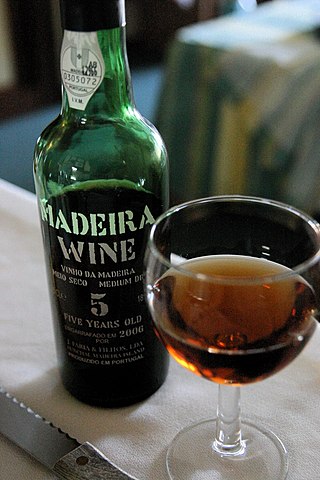
“... Even among fortified, sweet wines, Madeira is
singular. For one thing, it is virtually indestructible, made in such a way
that the usual enemies of fine wine — heat, light and air — are shrugged off
like flecks of dust. It was this invulnerability that gave Madeira the strength
to withstand the rigors of ocean voyages and become the most popular wine of
colonial America. The popularity of Madeira, which comes from the Portuguese
island of the same name, plummeted in the late 19th century with the arrival of
phylloxera, a ravenous aphid that ravaged vineyards throughout Europe. The
vineyards were replanted after a solution was found, but revolution, wars, the
Depression and Prohibition in the 20th century prevented Madeira from regaining
its former markets.
Today, in the United States at least, Madeira has
experienced a modest revival. But fortified and sweet wines have largely fallen
out of favor, so its popularity remains limited. ... The best bottles tend to
come from four principal grapes in ascending order from driest to sweetest:
sercial, verdelho, bual and malmsey, which is better known elsewhere as
malvasia.
... How to serve Madeira? Please, don’t haul out the
brandy snifters, just use ordinary wine glasses. The sercial is dry enough to
drink with meals. I remember it as an excellent combination with a grilled
skirt steak. The malmsey is quite sweet. It goes wonderfully with cheese and
chocolate. The bual is somewhere in between: You can try it with savory and
sweet. You may not want to drink as much Madeira
as you would table wine. It’s 19 percent to 20 percent alcohol, which makes it
more suited to ocean voyages than overindulgence.”

No comments:
Post a Comment