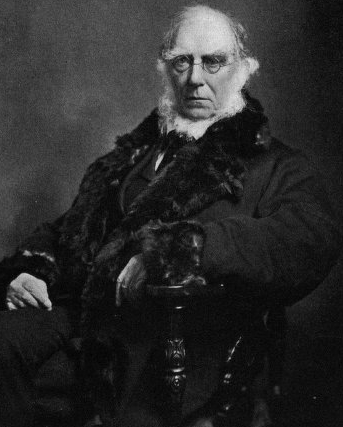
Sir Joseph Dalton Hooker (1817-1911), botanist and explorer, was born on 30 June 1817 at Halesworth, Suffolk, England.
The results of Hooker's botanical explorations of these lands were published under the general title The Botany of the Antarctic Voyage, in three large and important volumes: Flora Antarctica (1844-47), Flora Novae-Zelandiae (1853-55) and Flora Tasmaniae (1855-60). These works, splendidly illustrated by the botanical artist, Walter Hood Fitch, are distinguished by Hooker's insight into morphological problems and by the importance of his theories developed in the introductions. The books, reprinted in 1963, remain indispensable for the study of plants of these southern lands; they are also especially significant because they belong to a critical period in the history of biology. Darwin's views on evolution had long been known to Hooker: their friendship dated from 1839.
Hooker was a pioneer plant geographer. After returning from the Antarctic and working on fossil plants as a member of the Geological Survey of Great Britain, he sought an opportunity to study the vegetation of mountains in the tropics. In 1847, helped by a small grant from the Treasury, he sailed for India and other nearby lands.
Hooker returned to England in 1851 where he married Frances Harriet from whom they had four sons and three daughters. In 1855 he was appointed assistant director of the Royal Botanic Gardens, and in 1865 succeeded his father as director. Hooker also engaged in botanical exploration in Lebanon in 1860, Morocco and the Atlas Mountains in 1871. Three years later his wife died. In 1876 he married Hyacinth from whom they had two sons from the .
Hooker's outstanding achievements earned him many degrees and honours from many British universities and from learned societies in Britain and the Continent.
In 1885 he retired and made his home at Windlesham, near Sunningdale, Berkshire, where he continued to work on the Indian flora and on the genus Impatiens (Balsam). He died at his home on 10 December 1911 and was buried in the churchyard of St Anne's Anglican Church at Kew Green.

No comments:
Post a Comment